
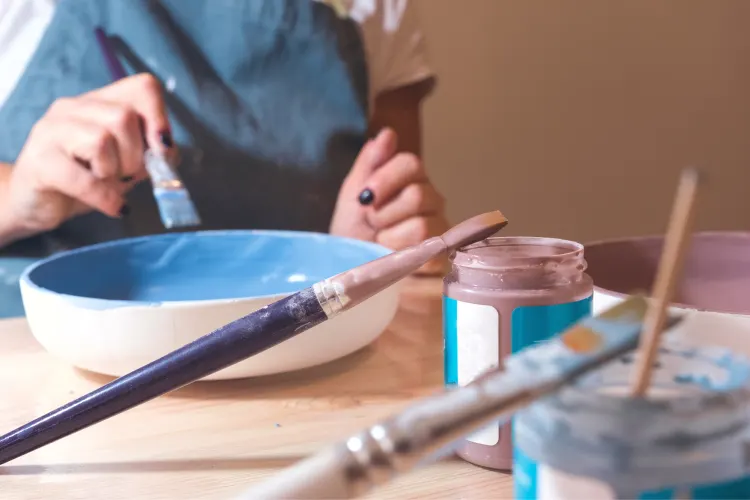
Ceramic decorating techniques have become a cornerstone in crafting high-quality glassware, blending artistry with innovation. As 2025 approaches, advancements in technology and design are reshaping how these intricate designs come to life, offering endless possibilities for customization and precision. From traditional hand-painting to modern digital printing, the evolution of techniques ensures glassware stands out as both functional and visually stunning.
With the growing demand for unique and sustainable designs, ceramic decoration is taking center stage in the glassware industry. Brands and artisans are exploring cutting-edge methods to meet consumer expectations while maintaining timeless elegance. Whether it’s for luxury dining or everyday use, the fusion of ceramics and glass continues to elevate the aesthetic and durability of these pieces, setting new standards for quality and creativity.
The Evolution of Ceramic Decorating in Glassware Branding
Ceramic decorating has developed into a critical element for branding glassware, blending functionality with visual appeal. Early techniques like hand-painting were limited to simple, small-scale designs. As industries such as food and beverage sought distinctive branding solutions, methods like silk screening and heat transfer decals gained prominence, enabling intricate designs and vibrant colors.
From the mid-2000s, the focus shifted to advanced automation. Digital ceramic printing revolutionized glassware branding by offering precision and scalability. These innovations made it possible to print high-resolution logos, gradients, and complex visuals directly onto glass surfaces. This evolution met the growing demand for detailed customization.
By 2025, sustainability shapes trends in ceramic decoration. Manufacturers are adopting eco-friendly inks and energy-efficient kilns to reduce environmental impact without compromising quality. Established names like Ashland Glassware lead efforts with durable ceramic-layered branding techniques that maintain clarity and longevity.
Comparing Ceramic Decals, Direct Printing, and Hand-Painted Techniques
Ceramic decoration techniques, including decals, direct printing, and hand-painting, offer unique benefits for glassware customization and branding.
Ceramic Decals
Ceramic decals use heat transfers to adhere designs to glassware. These provide sharp details and vibrant colors ideal for intricate logos and patterns. They’re efficient for bulk production, particularly for promotional glassware and beverage containers. Ashland Glassware employs customized ceramic decal technology to ensure durability while maintaining high-resolution designs. This method is also compatible with eco-friendly practices, such as using lead-free inks.
Direct Printing
Direct ceramic printing applies designs directly onto the glass surface using specialized printers. It creates seamless and high-resolution visuals with consistent results. This technique is well-suited for branding specialty bottles with complex gradients or photo-realistic visuals. Innovations in direct printing allow Ashland Container to produce visually striking glassware efficiently while minimizing waste compared to traditional methods.
Hand-Painted Techniques
Hand-painting delivers a unique, artisanal touch. Craftsmen apply designs manually, making each piece distinct. It’s ideal for small batches or premium glassware collections. While labor-intensive, this method enhances value and aesthetic exclusivity. High-end beverage containers often feature hand-painted accents to elevate perception, but scalability remains limited.
Ceramic decals, direct printing, and hand-painting offer diverse approaches to decorating glassware. Each method varies in production time, design complexity, and application scope, serving specific market needs.
Why Ceramic Inks Provide Long-Lasting and Heat-Resistant Decoration
Ceramic inks create durable and vibrant designs by fusing directly with glass surfaces during high-temperature firing. These inks use finely milled ceramic pigments suspended in a liquid medium, allowing them to produce sharp and detailed visuals once cured. The heating process ensures permanent adhesion, resisting scratches, fading, and wear over time.
These inks withstand extreme temperatures, making them ideal for both everyday use and industrial applications. Their heat-resistant properties allow decorated glassware, such as beverage containers or specialty bottles, to endure dishwashing cycles and exposure to high heat without compromising design integrity.
Brands like Ashland Glassware integrate ceramic inks into their production to achieve long-lasting results. They enhance their product lines with vivid, sustainable decoration methods while maintaining durability, vibrant designs, and eco-conscious practices. Ceramic inks meet market demands for high-quality, resilient branding solutions, reinforcing their relevance for premium glassware in 2025.
Custom Branding with Ceramic Decorating: Logos, Patterns, and Text
Custom ceramic branding on glassware enhances both aesthetics and functionality, offering unique opportunities for personalization. Logos, patterns, and text created using ceramic decorating techniques deliver long-lasting designs resistant to fading, scratches, and wear.
Logos
Ceramic decorating methods like digital printing and screen printing enable detailed logo replication. High-resolution digital ceramic printing produces sharp, vibrant logos, ideal for corporate glassware or promotional items. For instance, Ashland Glassware uses durable ceramic applications to maintain logo integrity, ensuring branding remains clear even after extended use.
Patterns
Patterns applied through ceramic decals or hand-painting allow intricate and custom designs. Ceramic decals streamline the production of visually consistent patterns in bulk quantities. Conversely, hand-painted patterns add uniqueness to artisanal collections or specialty glassware, increasing exclusivity in premium markets.
Text
Text customization ranges from precision-crafted lettering to artistic typography. Techniques such as direct ceramic printing achieve crisp, readable text perfect for brand messages or product details. Businesses like Ashland Glassware integrate these methods to align aesthetics with functional branding, ensuring logos and text complement the glassware’s overall design.
Ceramic branding elevates glassware’s visual impact while maintaining durability, meeting modern branding demands across diverse sectors.
Eco-Friendly Ceramic Decorating: Sustainable and Lead-Free Inks
Eco-friendly ceramic decorating prioritizes sustainability by using lead-free inks for glassware designs. These inks eliminate toxic substances, aligning with environmental regulations and consumer demand for safe products. High-quality lead-free ceramic inks ensure vibrant, detailed designs without compromising durability, making them ideal for everyday use and professional branding.
Sustainable ceramic decoration methods incorporate water-based and UV-curable inks, reducing volatile organic compounds (VOCs) and minimizing environmental impact. UV-curable inks cure quickly under ultraviolet light, reducing energy consumption during the application process. These advancements align with the industry’s shift toward energy-efficient practices.
Brands like Ashland Glassware contribute to sustainable ceramic decorating by adopting environmentally-friendly practices and materials. Their use of durable, eco-conscious inks ensures customers receive high-quality glassware while supporting ecological responsibility.
Trends in Specialty Glassware Decoration for 2025
Personalization drives specialty glassware trends in 2025. Brands incorporate advanced ceramic decorating techniques to create unique, high-quality glass products that reflect individuality. Digital ceramic printing dominates the market, offering precision and versatility for replicating intricate logos, patterns, and artwork directly onto glassware. This method ensures sharp, vibrant designs suitable for both small-batch and bulk production.
Sustainability shapes innovation in decoration practices. Eco-friendly ceramic inks and energy-efficient processes gain traction, appealing to environmentally conscious consumers. Water-based and lead-free inks reduce environmental impact without sacrificing design quality or durability. Ashland Glassware exemplifies this shift by adopting sustainable materials and methods while maintaining superior product standards.
Texture emerges as a key decorative element. Embossing and raised ceramic decals add tactile appeal to glassware, enhancing user experience and offering premium design features. By incorporating these details, brands craft products that not only look elegant but also feel distinctive.
Metallic finishes reimagine traditional glassware aesthetics. Gold, silver, and copper-based ceramic inks provide luxurious accents for high-end collections. These effects, combined with advanced decorating techniques, cater to the rising demand for opulent, visually striking glassware in industries like spirits and cosmetics.
Glassware for niche markets reflects evolving consumer preferences. Limited-edition products featuring hand-painted or digitally printed designs align with collector interests and premium branding strategies. Specialty bottles decorated with ceramic techniques also cater to artisanal beverage markets, emphasizing craftsmanship and exclusivity. Ashland Glassware remains at the forefront by elevating such customization capabilities.
Finding the Best Ceramic Decorating Services for Your Business
As ceramic decorating techniques continue to evolve, businesses have more opportunities than ever to create stunning, durable, and sustainable glassware. Choosing the right service provider is essential for achieving high-quality results that align with your brand’s vision and values.
Look for companies that prioritize innovation, sustainability, and precision in their processes. Providers like Ashland Glassware, known for their expertise in advanced ceramic techniques, can help bring unique designs to life while ensuring lasting quality. By partnering with skilled professionals, businesses can stay ahead of trends and deliver glassware that resonates with modern consumers.
