
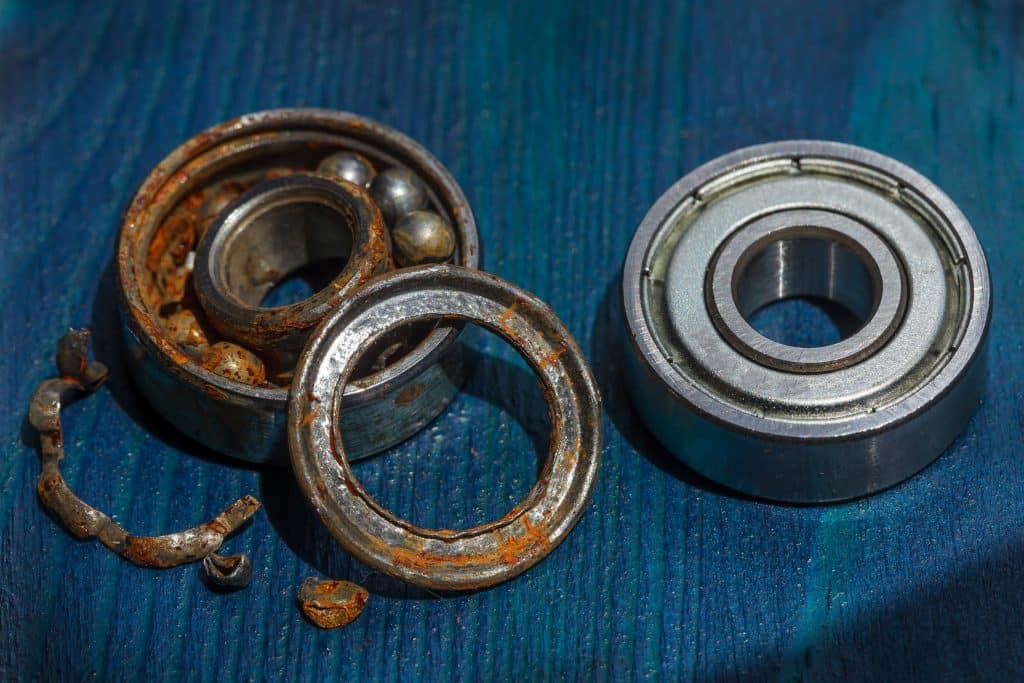
Motor bearings are small but important parts that help machines run smoothly. When they fail, they can lead to breakdowns, costly repairs, delays, and safety risks. But why motor bearing failure? Is it just something that happens over time, or can we stop it from happening?
In this blog post, we’ll look at the most common reasons why motor bearings break down and share practical tips to make them last longer.
Let’s dive in and learn how to protect your equipment, avoid surprises, and keep everything working at its best.
Common Causes of Motor Bearing Failure
Bearing failures can cause major machine problems and high repair costs. Knowing what causes them is key to stopping issues before they start. Here are eight common causes and how to avoid them.
1. Improper Lubrication
Improper Lubrication means not taking care of the bearing’s grease or oil the right way. Lubrication helps parts move smoothly by reducing friction and heat. But if it’s done wrong:
- Too much grease causes overheating and seal damage, allowing dirt and water to enter the bearing.
- Using too little grease makes the parts rub together and wear out quickly.
- Using the wrong grease or oil won’t work right for the machine’s speed or heat.
- Using dirty or contaminated grease can scratch the bearing and cause rust.
2. Contamination
Contamination happens when dirt, dust, or water enters the bearing. This can damage the smooth surfaces inside, making the bearing wear out faster. It often occurs if seals are damaged or if bearings aren’t stored or handled properly. Over time, this leads to scraping, rust, and early failure.
3. Electrical Damage (EDM)
In motors with variable frequency drives (VFDs), stray electricity can flow through the bearings. This causes tiny sparks inside the bearing that damage the metal surfaces by creating small pits and grooves. Over time, this damage leads to vibration, noise, and eventually bearing failure.
4. Misalignment
When shafts or couplings are not properly aligned during installation, the bearings can be forced to carry uneven loads. This puts extra pressure on one side of the bearing, causing it to vibrate more, heat up, and wear out faster than normal. If not fixed, this stress can lead to early bearing failure. To prevent this, make sure everything is aligned correctly when installing and regularly check that all parts stay in proper position.
5. Overloading
When a bearing carries more weight or pressure than it’s designed for, it wears out faster. The extra load makes the bearing heat up because its parts work harder than they should. This heat and stress can damage the internal parts, leading to early bearing failure.
6. Improper Installation
Improper installation happens when a bearing is put in the wrong way. This can cause immediate damage. For example, using too much force can crack or deform the bearing. If the parts aren’t lined up correctly, the bearing will wear unevenly. Also, if dirt or debris gets inside during installation, it can scratch or damage the bearing’s surfaces. All these issues cause the bearing to wear out faster and fail sooner than it should.
7. Shaft Grounding Issues
Motors controlled by variable frequency drives (VFDs) are prone to generating stray electrical currents. If not properly grounded, these currents can travel along the motor shaft and discharge through the bearings, causing electrical arcing. This results in pitting and fluting on the bearing surfaces, which leads to increased noise, vibration, and premature bearing failure. Installing proper shaft grounding devices, such as grounding brushes or rings, is essential to redirect these currents safely and protect the bearings from electrical damage.
8. Excessive Vibration
Excessive vibration means the bearings are shaken too much over time. This can happen if parts aren’t balanced, are worn out, or don’t fit together properly. Too much vibration causes the bearings to wear out faster, become noisy, and work less efficiently.
Preventing motor bearing failure is all about using the right parts, installing them correctly, and maintaining them regularly. By addressing these eight key issues—from lubrication to vibration—you can extend the life of your equipment and avoid costly breakdowns.
How to Prevent Motor Bearing Failure
1. Use Proper Lubrication
Use proper lubrication by always following the motor manufacturer’s instructions on which lubricant to use and how often to apply it. Make sure to use clean, high-quality lubricants that match your bearings. Stick to a regular lubrication schedule based on how long the motor runs and the working conditions to keep the bearings running smoothly.
2. Keep Dirt and Moisture Out
Keep dirt and moisture out by using proper seals and covers to protect the bearings from dust, water, and other harmful materials. Store bearings in clean, dry places when they are not being used. During maintenance, work carefully to keep the area clean and prevent dirt or moisture from getting into the bearings.
3. Prevent Electrical Damage
Prevent electrical damage by installing shaft grounding rings or using insulated bearings to block stray electricity from passing through the bearings. For motors that have a high risk of electrical problems, use special ceramic or insulated bearings made to resist electrical damage.
4. Make Sure Shafts Are Properly Aligned
Ensure shafts and couplings are perfectly aligned by using accurate tools like laser alignment devices. Regularly check the alignment during installation and maintenance to prevent issues caused by misalignment.
5. Avoid Overloading
Don’t let the motor or bearing handle more weight or force than it’s built to support. Regularly check the load and how the machine is running to make sure it stays within safe limits and doesn’t get overloaded.
6. Train Workers on the Correct Installation
Train workers to install bearings correctly by using the right tools and following the proper steps. Avoid forcing parts or incorrect installation, as this can damage the bearings and lead to early failure.
7. Watch for Excessive Vibration
Excessive vibration is often an early warning sign of bearing problems. Use vibration monitoring tools to regularly check for unusual patterns or spikes. These may indicate issues such as misalignment, unbalanced components, or worn parts. By identifying and addressing these problems early, you can prevent further damage, reduce downtime, and ensure your bearings continue to operate efficiently.
By following these easy steps, you can help your motor bearings last longer and avoid sudden failures.
Conclusion: Protecting Your Motor Bearings from Failure
Motor bearings are important for machines to work well, but they can get damaged easily by several common problems. Bearing failure leads to costly repairs, downtime, and safety risks. The main causes include improper lubrication, contamination, electrical damage, misalignment, overloading, poor installation, shaft grounding problems, and excessive vibration.
Fortunately, most of these problems can be prevented with proper care: using the right lubricant and schedule, keeping dirt and moisture out, protecting against electrical damage, ensuring precise shaft alignment, avoiding overload, training workers on correct installation, and monitoring vibration regularly.
By understanding these causes and following simple maintenance steps, you can extend the life of your motor bearings, reduce unexpected breakdowns, and keep your equipment running efficiently for longer. Preventive care is the key to avoiding costly failures and protecting your investment.
