
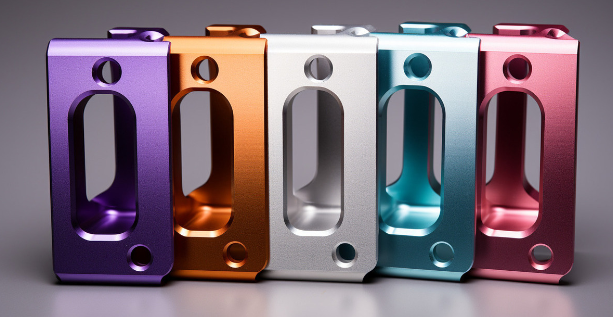
Anodized aluminum is everywhere, from the sleek finish on your smartphone case to the durable parts of machinery and household items. But how much do we really know about anodization? While it’s a well-known process for making aluminum tougher and more resistant to wear, many still wonder, “Does anodization wear off over time?”
In this article, we’ll explain what anodization is, whether it can wear off, and practical ways to prevent this from happening. We’ll keep it relatable, so whether you’re an everyday user, a DIY hobbyist, or a professional in the industry, you’ll walk away with insights on how to maintain anodized surfaces for the long haul. We’ll also discuss how the quality of aluminum anodizing and precision anodizing can impact the longevity of this protective finish.
What is Anodization?
Anodization is an electrochemical process that strengthens and protects the natural oxide layer on the surface of metals, primarily aluminum. This added layer doesn’t just coat the metal; it becomes a part of it. The result? A surface that’s much more resistant to corrosion, wear, and general environmental damage.
The Process of Anodization
Aluminum anodizing starts with submerging aluminum in an electrolyte solution, such as sulfuric acid. An electric current is then passed through the liquid, causing an oxidation reaction that thickens the natural oxide layer. This new layer is porous at first, allowing for the addition of dyes or sealing agents that make it even more robust. Precision anodizing refers to when this process is carefully controlled to ensure a consistent and durable finish, making it perfect for projects requiring high-quality outcomes.
Why Anodization Matters
The anodized layer is not just for looks; it serves a practical purpose. Aluminum is naturally resistant to rust, but it can still corrode over time. Anodizing makes it even stronger and more versatile for a wide range of applications—from architecture and automotive parts to kitchenware and electronic devices. The addition of color also allows for more aesthetic options while maintaining the metal’s resilience.
Does Anodization Wear Off?
Yes, anodization can wear off, but not in the same way as paint or surface coatings. While the anodized layer is a part of the metal and not just an outer film, it can still degrade over time due to certain factors. Let’s explore what these factors are.
- Mechanical Wear and Tear
Items that are frequently handled, moved, or subjected to impact can show signs of wear more quickly. Anodized surfaces, such as those on bicycle parts, door handles, or kitchen tools, are great examples. Continuous rubbing or contact with other materials can thin out the anodized layer over time, especially if the surface wasn’t applied with high-quality aluminum anodizing or precision anodizing. - Environmental Exposure
Anodized aluminum is known for being resistant to corrosion, but harsh environmental conditions can still affect it. Areas with high salt levels, like coastal regions, or places exposed to acidic rain or industrial pollutants, can lead to the gradual breakdown of the anodized layer. Although it may not peel or chip like paint, the layer can become dull and less effective over time. This is crucial to remember if you’re using anodized materials for outdoor projects or machinery exposed to varying weather conditions. - Quality of the Anodization Process
Not all anodizing processes are created equal. The durability of the anodized layer often comes down to how well the process was performed. Precision anodizing offers better results, as it ensures an even and consistent oxide layer that is more resistant to wear. On the other hand, if the process isn’t thorough, or if shortcuts are taken, the anodized surface may degrade faster than expected.
How to Prevent Anodization from Wearing Off
Now that we know anodization can wear off under certain conditions, the good news is that there are several ways to prevent or slow down this process. Here’s how you can keep that sleek, durable finish intact for longer:
Regular Maintenance and Cleaning
Cleaning anodized surfaces regularly can make a significant difference in their longevity. Dust, dirt, and grime can act as abrasives over time, wearing down the anodized layer. Use a soft cloth and mild soap with water for cleaning. Avoid harsh chemicals or abrasive cleaning tools, as these can damage the surface. A simple wipe-down every week or two can keep your anodized items looking their best for years.
Protective Coatings
Applying a protective sealant or clear coating can add an extra layer of defense to your anodized surface. This is especially helpful for items that are exposed to high-traffic areas or challenging environments. The sealant acts as a buffer, reducing the risk of mechanical wear and protecting against moisture and chemicals.
Avoiding High Friction Areas
If you have control over where an anodized item is used, try to limit its exposure to high-friction areas. For example, in a manufacturing setting, using pads or guards where metal components meet can reduce direct contact and preserve the anodized finish.
Importance of Choosing High-Quality Anodization
Selecting the right anodizing service can make a huge difference in how long the finish lasts. Precision anodizing ensures a more uniform, thick, and durable oxide layer, which means that your aluminum products can better withstand the test of time. This is especially crucial for industrial or heavy-duty applications, where durability is key.
Why Precision Anodizing Matters
Precision anodizing uses highly controlled methods to apply the oxide layer. The result is a finish that is more consistent, with fewer imperfections and weak spots. This leads to better protection against corrosion, wear, and environmental factors. Whether you’re working on a major project or just choosing anodized parts for personal use, opting for high-quality aluminum anodizing services can extend the life of your items significantly.
Benefits of High-Quality Anodizing
- Increased Durability: Higher-quality anodizing results in a tougher, longer-lasting surface.
- Better Color Retention: If you’re using dyed anodized aluminum, a quality finish ensures that the color stays vibrant longer.
- Reduced Maintenance: With a better finish, you’ll spend less time worrying about cleaning and maintaining the anodized layer.
Anodization in Everyday Life
Understanding how anodization works and how to maintain it isn’t just for industrial professionals. It’s relevant to everyone. From the sleek frame of a laptop to the cooking tools you use in the kitchen, anodized aluminum is part of daily life. Knowing how to care for it can save you time and money, and keep your items looking as good as new.
Anodization in Consumer Products
Think of anodized cookware or smartphone cases. These items go through a lot of wear and tear, but with proper care, they can stay looking sharp. Cleaning them with mild soap and avoiding abrasive sponges can make a noticeable difference.
Industrial and Architectural Uses
For large-scale applications like building facades or industrial parts, anodization adds both aesthetic appeal and functional value. Architects and engineers often choose anodized aluminum because it combines form with function, lasting longer than untreated or painted surfaces.
Conclusion
Anodization offers an effective way to make aluminum more durable, visually appealing, and resistant to wear. However, like any protective finish, it isn’t invincible. Factors like mechanical wear, environmental exposure, and the quality of the anodizing process play significant roles in how long the anodized layer will last.
By choosing high-quality aluminum anodizing, maintaining regular cleaning practices, and applying protective measures, you can keep your anodized items in top shape for years. Whether you’re a professional using precision anodizing for industrial parts or someone who simply wants their anodized kitchen tools to last longer, these tips can help.
In the end, understanding and caring for anodized surfaces is key to making them last. So, the next time you admire the sleek, shiny finish of anodized aluminum, remember—it’s not just about looking good. It’s about long-lasting protection.
