
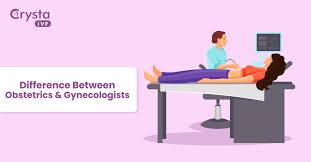
Welcome to a new conversation on the role of obstetricians and gynecologists in assisted reproductive technology. This is a complex and vital area of medicine. It’s part of a broader realm that includes services like sarasota std testing. The focus is on helping individuals and couples have children. Obstetricians and gynecologists play a key role. Today, we will dive deeper into their role in this field.
The role of obstetricians and gynecologists in assisted reproductive technology is vital for ensuring successful outcomes. Maintaining reproductive health is equally important, and getting regular check-ups, including comprehensive Portland STD testing, is essential. Regular testing helps in early detection and treatment, ensuring overall well-being and fertility health.
What They Do
Obstetricians and gynecologists are like gatekeepers in the world of assisted reproductive technology. They guide patients with compassion and authority. Their roles might seem similar, but there are key differences.
Obstetricians
Obstetricians oversee the health of the mother and child during pregnancy. They monitor the mother’s health, conduct ultrasounds, and intervene when complications arise. They also deliver babies.
Gynecologists
Gynecologists focus on the health of the female reproductive system. They diagnose and treat issues like STDs, fertility problems, and menstrual irregularities. Many gynecologists also practice obstetrics, hence the term ‘OB/GYN’.
| OBSTETRICIANS | GYNECOLOGISTS | |
| Role | Oversee mother and child’s health during pregnancy | Focus on female reproductive system health |
| Examples of Tasks | Monitor health, conduct ultrasounds, deliver babies | Diagnose and treat STDs, fertility problems |
How They Contribute to Assisted Reproductive Technology
OB/GYNs play a central part in assisted reproductive technology. They treat infertility issues. They also provide important services like in vitro fertilization (IVF) and intrauterine insemination (IUI).
They offer guidance and support. From the initial consultation to the final treatment, they are there every step of the way. Their role is essential in helping individuals and couples realize their dreams of having a family.
For more information on this topic, visit The American College of Obstetricians and Gynecologists and National Institutes of Health.
