
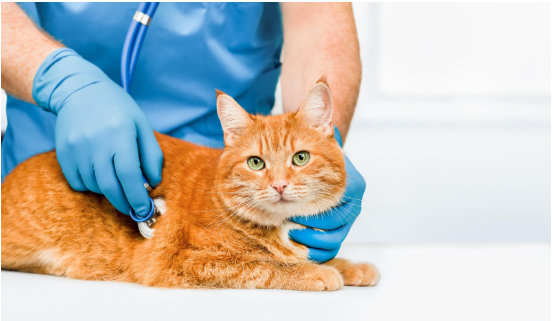
Cats are experts at hiding discomfort, but there’s one thing they can’t mask for long—itchy skin. If your feline friend has been scratching, licking, or grooming obsessively, it could be more than a quirky habit. Cat allergies are a common but often overlooked health issue, and finding the best allergy medicine for cats can make all the difference to their comfort and long-term health.
Unlike humans, cats rarely respond to allergens with sneezing fits and watery eyes. Instead, allergies often show up as skin problems, overgrooming, and even chronic ear infections. That’s why knowing the signs, understanding the causes, and choosing the right treatment is key to keeping your cat itch-free and happy.
Why Allergies in Cats Are Different from Human Allergies
Cats have a unique immune response compared to humans. When they encounter an allergen—be it pollen, flea saliva, or a food protein—their immune system goes into overdrive. Instead of respiratory symptoms being the main issue, cats often develop skin inflammation, ear problems, and digestive disturbances.
This means that a cat with allergies might look perfectly fine from a distance but be hiding intense itching, red patches, or a sore belly from overgrooming.
Common Causes of Allergies in Cats
Allergies in cats fall into a few main categories:
Environmental allergens – pollen, mold spores, dust mites, cigarette smoke, cleaning product fragrances.
Flea allergy dermatitis – a reaction to flea saliva; even one flea bite can trigger severe itching.
Food allergies – common culprits include beef, chicken, fish, dairy, wheat, and corn.
Contact allergens – plastic food bowls, certain fabrics, shampoos, or even scented litter.
Genetic factors – some breeds like Siamese, Abyssinian, and Devon Rex are more susceptible.
Veterinary-formulated solutions, such as those from Puainta, are designed with these triggers in mind, offering targeted skin relief while remaining safe for feline use.
Signs Your Cat May Need Allergy Relief
The tricky part about diagnosing cat allergies is that symptoms often overlap with other conditions like fungal infections, mites, or even stress-related grooming. However, some telltale signs include:
Persistent itching, especially around the face, ears, paws, and belly
Overgrooming or chewing at fur
Recurrent ear infections or frequent head shaking
Hair loss, scabs, or open sores
Sneezing, watery eyes, or nasal discharge
Vomiting or diarrhea (especially with food allergies)
If your cat displays a combination of these signs, it’s time to investigate further and consider options for the best allergy medicine for cats.
How Vets Diagnose Allergies in Cats
There’s no single test that instantly identifies all cat allergies. Instead, veterinarians use a step-by-step approach:
Physical examination – checking for skin irritation, ear inflammation, and signs of infection.
Flea comb check – to rule out flea allergy dermatitis.
Skin scraping or cytology – to detect mites, yeast, or bacterial infections.
Elimination diet trial – an 8–12 week period of feeding a hypoallergenic or limited-ingredient diet.
Intradermal or blood allergy testing – for environmental allergens.
Treatment trials – observing symptom changes when introducing specific medications or preventive care.
A proper diagnosis is essential—what works for a flea allergy may be completely ineffective for a food allergy.
Categories of Allergy Medicines and Treatments
When it comes to selecting the best allergy medicine for cats, the options fall into two main categories: symptom relief and long-term management.
Symptom Relief
These treatments focus on easing discomfort while the underlying cause is addressed:
Antihistamines – can reduce itching in mild cases.
Short-term corticosteroids – effective for severe inflammation (must be used under vet supervision).
Topical treatments – hydrocortisone creams or vet-approved sprays to calm skin irritation.
Medicated shampoos – soothe itching, reduce redness, and remove allergens from the coat.
Long-Term Management
For chronic or recurring allergies:
Year-round flea prevention – critical for flea allergy dermatitis.
Prescription medications – such as cyclosporine for persistent inflammation.
Hypoallergenic diets – ideal for food-related allergies.
Immunotherapy – allergy shots or drops for environmental triggers.
Products like Puainta’s skin care sprays and flea protection treatments can be integrated into both short-term and long-term plans, helping cats feel better while reducing future flare-ups.
Choosing the Best Allergy Medicine for Cats with Itchy Skin
Selecting the right treatment depends on the allergy type and your cat’s specific needs:
Identify the cause first – treating symptoms without removing the trigger often leads to recurring problems.
Look for feline-safe formulas – not all products safe for dogs are safe for cats.
Choose pH-balanced, gentle solutions – cats have more sensitive skin than humans.
Avoid harsh chemicals and fragrances – these can worsen irritation.
Consider multi-benefit products – those that soothe, moisturize, and protect skin are more effective for ongoing relief.
For example, if fleas are the culprit, flea control combined with an anti-itch spray is essential. If food allergies are suspected, dietary changes should be paired with skin relief solutions to ease the transition.
Prevention and Home Care for Allergy-Prone Cats
While medicine plays a crucial role, lifestyle adjustments can greatly reduce the frequency and severity of flare-ups:
Keep your cat on consistent flea prevention year-round.
Vacuum and dust regularly to reduce indoor allergens.
Avoid using scented candles, air fresheners, or perfumed cleaning sprays.
Bathe your cat occasionally with vet-approved products to remove allergens from their fur.
Choose unscented, dust-free litter.
Feed a high-quality, limited-ingredient diet if your cat has known food sensitivities.
Puainta’s gentle shampoos and sprays are formulated to support these preventive measures, offering relief without harsh additives.
When to See a Veterinarian Immediately
Some allergy symptoms can turn serious quickly. Seek veterinary attention if your cat experiences:
Facial or paw swelling
Intense scratching leading to bleeding
Difficulty breathing
Persistent vomiting or diarrhea
Sudden lethargy or loss of appetite
These could signal a severe allergic reaction or a secondary infection requiring prompt treatment.
Final Thoughts
Allergies in cats are common, but they don’t have to mean constant discomfort for your pet. The best allergy medicine for cats is one that addresses both the immediate symptoms and the underlying cause—whether that’s fleas, food, or environmental triggers.
By working closely with your veterinarian, making small changes at home, and using safe, effective products like those from Puainta, you can help your cat live a more comfortable, itch-free life.
Your feline friend deserves more than just temporary relief—they deserve a care plan that supports their health all year round.
