
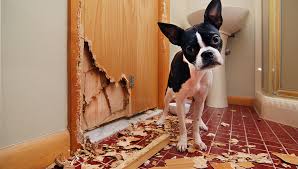
Destructive chewing is one of the most frustrating problems dog owners deal with. Shoes disappear, furniture gets destroyed, table legs become chew toys, and pillows end up ripped apart across the living room floor. Many owners feel overwhelmed when their dog keeps chewing things despite repeated corrections.
The truth is simple. Dogs do not chew furniture, shoes, or household items to annoy people. Chewing is an instinct tied to boredom, stress relief, teething, mental stimulation, and energy release. When dogs lack healthy outlets for these instincts, they create their own entertainment around the house.
Stopping destructive chewing requires more than punishment or constantly saying “no.” Dogs need proper enrichment, structured routines, mental stimulation, and appropriate chew toys that satisfy their natural urges safely.
Once you understand why dogs chew and how to redirect the behaviour correctly, destructive chewing becomes much easier to manage long-term.
Why Dogs Chew Everything?
Chewing is completely normal for dogs. Puppies and adult dogs both chew for different reasons.
Puppies Chew During Teething
Puppies explore the world with their mouths. During teething stages, chewing helps relieve gum discomfort while supporting healthy jaw development.
This is why puppies often chew:
- Shoes
- Furniture
- Electrical cords
- Socks
- Pillows
- Wooden objects
Without proper chew toys, puppies naturally target household items.
Adult Dogs Chew From Boredom and Stress
Adult dogs often develop destructive chewing habits because they lack mental stimulation and physical outlets.
Dogs left alone for long periods or dogs with excess energy often chew to:
- Relieve stress
- Release frustration
- Stay occupied
- Self-soothe
- Burn mental energy
Chewing becomes a coping mechanism when dogs feel bored or under-stimulated.
Punishment Does Not Solve Destructive Chewing
Many owners respond to chewing problems by yelling, scolding, or punishing their dogs after the damage is already done.
Dogs Do Not Connect Delayed Punishment
If you discover chewed furniture an hour later and punish your dog, your dog does not understand why you’re upset. Dogs connect consequences only to actions happening in the moment.
Punishment often creates confusion or anxiety instead of teaching better behavior.
Redirection Works Better Than Correction
The goal is not stopping chewing completely. The goal is teaching dogs what they are allowed to chew.
Every time your dog chooses an appropriate chew toy instead of furniture, reward that decision positively.
This builds healthier habits over time.
Give Your Dog Better Chewing Options
Dogs need safe and satisfying chewing outlets daily.
Durable Dog Chew Toys Matter
Weak toys often fail quickly with determined chewers. Durable chew toys hold attention longer while satisfying chewing instincts properly.
Good chew toys help:
- Reduce boredom
- Relieve stress
- Prevent furniture destruction
- Encourage calm behavior
- Support mental stimulation
Chewing itself is healthy when directed toward appropriate items.
Rotate Chew Toys Regularly
Dogs lose interest when the same toys remain available constantly. Toy rotation keeps enrichment exciting.
Store several chew toys away and rotate them every few days. This makes toys feel new again and increases engagement.
Frozen Dog Toys Help Reduce Destructive Behavior
Frozen enrichment toys are one of the most effective tools for stopping destructive chewing.
Why Frozen Toys Work So Well
Frozen dog toys combine:
- Licking
- Chewing
- Problem-solving
- Food rewards
This combination creates long-lasting mental engagement while calming dogs naturally.
Licking also helps reduce stress and hyperactivity.
Best Fillings for Frozen Dog Toys
Popular frozen enrichment ingredients include:
- Peanut butter
- Pumpkin puree
- Plain yogurt
- Wet dog food
- Banana
- Cottage cheese
Frozen treats keep dogs occupied much longer than regular snacks.
Mental Stimulation Is Essential
Many destructive chewers are mentally bored, not physically exhausted.
Exercise Alone Is Not Enough
Long walks help, but dogs also need activities that challenge their brains. Mental stimulation tires dogs differently from physical exercise.
Without enrichment, many dogs remain restless indoors even after exercise.
Enrichment Activities Reduce Boredom
Good mental stimulation activities include:
- Puzzle toys
- Snuffle mats
- Treat hunts
- Frozen enrichment toys
- Training sessions
- Nose work games
These activities redirect energy into productive behavior.
Dogs Need Structured Daily Routines
Dogs thrive on consistency. Unstructured days often increase anxiety and destructive behavior.
Predictable Schedules Improve Behavior
A balanced daily routine includes:
- Exercise
- Feeding
- Rest
- Enrichment
- Playtime
- Calm periods
Dogs who know what to expect usually settle more easily indoors.
Work-From-Home Dogs Need Boundaries
Many dogs developed chewing habits after their owners started working from home. Dogs who receive constant attention often struggle when ignored during meetings or work sessions.
Scheduled enrichment activities help dogs relax independently instead of seeking attention constantly.
Crate Training Helps Prevent Destructive Chewing
Crates become valuable management tools when used properly.
Crates Prevent Rehearsing Bad Habits
Dogs repeat behaviors that work. Every time your dog successfully destroys furniture, the habit becomes stronger.
Crates prevent access to unsafe chewing targets when supervision is impossible.
Make the Crate Positive
Never use crates as punishment. Add enrichment toys, frozen treats, and comfortable bedding to create a calm environment.
Dogs who associate crates with relaxation settle more easily.
Separation Anxiety and Chewing
Some dogs chew destructively because of anxiety, not boredom.
Signs of Anxiety-Based Chewing
Watch for symptoms like:
- Panic when left alone
- Barking nonstop
- Scratching doors
- Drooling excessively
- Destroying exits or windows
Dogs with separation anxiety need emotional support and training, not punishment.
Calming Enrichment Helps Anxious Dogs
Frozen dog toys and licking activities often reduce stress levels during alone time.
Licking naturally promotes relaxation and emotional regulation.
Common Mistakes Dog Owners Make
Certain habits unintentionally encourage destructive chewing.
Giving Attention at the Wrong Time
Dogs often repeat behaviors that earn reactions. Chasing dogs around the house after they steal objects sometimes turns chewing into a game.
Stay calm and redirect toward appropriate toys instead.
Leaving Tempting Items Accessible
Management matters. Shoes, cords, pillows, and valuable items should remain out of reach during training stages.
Preventing mistakes speeds up learning.
Puppy Chewing Requires Patience
Puppies need extra support during the teething months.
Teething Puppies Chew Constantly
This stage is temporary but intense. Frozen chew toys help soothe sore gums while reducing furniture damage.
Puppies need consistent redirection every day.
Reward Calm Chewing Habits
Whenever your puppy chooses a chew toy independently, reward the behavior positively.
This teaches puppies which items belong to them.
Long-Term Success Comes From Consistency
Destructive chewing rarely disappears overnight. Dogs build habits through repetition and routine.
Focus on Prevention and Enrichment
The most effective approach combines:
- Mental stimulation
- Exercise
- Frozen enrichment toys
- Structured routines
- Durable chew toys
- Positive reinforcement
This creates healthy outlets while reducing boredom and stress.
Final Thoughts
Destructive chewing is usually a sign that a dog needs more enrichment, structure, and appropriate outlets for instincts. Dogs chew because they are bored, stressed, teething, anxious, or mentally under-stimulated. Punishment alone rarely fixes the issue long-term.
Frozen dog toys, durable chew toys, puzzle feeders, sniffing games, and structured routines help redirect chewing behavior productively. Dogs who receive proper mental stimulation and healthy chewing outlets become calmer and far less destructive indoors.
Stopping destructive chewing takes consistency and patience, but once dogs learn what they are allowed to chew, life at home becomes far less stressful for everyone involved.
