
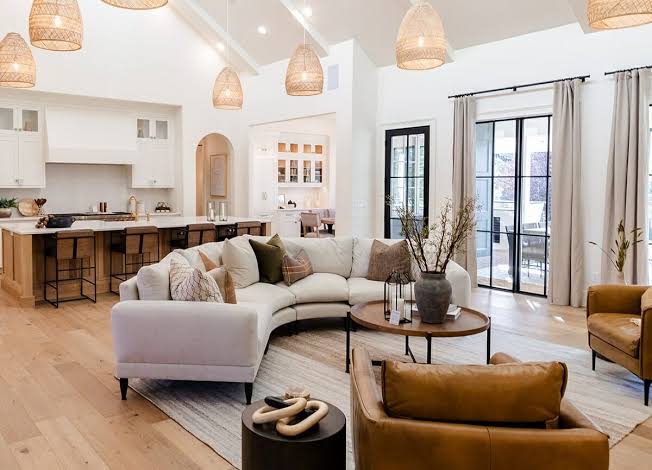
Natural light has the power to transform any home. It makes spaces feel larger, brighter, and more inviting while enhancing the overall mood of a room. However, the amount of light a space receives is only part of the equation. The colours you choose for your walls, furniture, and décor can significantly influence how that light is reflected throughout your home. This is where the right home colour combination becomes essential.
Among the most popular choices today are earthy tones and pastels. These colours create a warm, welcoming atmosphere while helping to maximize natural light. Whether you are planning a complete makeover or refreshing a single room, understanding how to blend these shades can elevate your interiors effortlessly.
Why Earthy Tones and Pastels Work So Well
Earthy tones are inspired by nature and include shades such as beige, terracotta, taupe, sand, clay, and soft browns. They bring warmth and comfort to a space without feeling overwhelming.
Pastels, on the other hand, are lighter, softer versions of colours like blue, green, pink, and yellow. Their ability to reflect light makes them ideal for brightening interiors.
When combined thoughtfully, earthy tones provide depth while pastels add freshness. Together, they create a balanced home colour combination that feels both modern and timeless.
Choosing a Home Colour Combination for Bright Interiors
If your goal is to make the most of available sunlight, start with lighter shades as the primary colours. Soft cream walls paired with muted sage green accents, for example, can create a bright and airy environment.
Consider these combinations:
- Warm beige with pastel mint
- Soft taupe with powder blue
- Sandy brown with blush pink
- Light clay with pale lavender
These pairings help reflect natural light while maintaining a cosy and sophisticated look. The result is a home that feels open and welcoming throughout the day.
Creating the Ideal Hall Colour Combination
The living room or hall is often the heart of the home, making it one of the most important spaces when selecting colours. A well-planned hall colour combination can make the area appear larger and more inviting.
For halls that receive plenty of sunlight, earthy neutrals such as warm beige or greige can serve as an excellent foundation. Pair these shades with pastel cushions, curtains, or accent walls to add visual interest without reducing brightness.
For smaller or darker halls, pastel shades like soft peach, pale blue, or light sage can help bounce light around the room. Combining these colours with natural wood furniture further enhances the earthy aesthetic while maintaining an open feel.
Adding mirrors and light-coloured furnishings can amplify the effects of both natural light and your chosen hall colour combination.
Enhancing Comfort Through Bedroom Colour Design
The bedroom should feel relaxing, peaceful, and comfortable. This is where thoughtful bedroom colour design plays a crucial role.
Pastel colours are particularly effective in bedrooms because they create a calm atmosphere. Soft lavender, dusty pink, pale green, and powder blue are excellent choices for walls or accent features. When paired with earthy tones such as warm beige, muted brown, or sandy taupe, these colours create a serene retreat that feels connected to nature.
For example, a bedroom colour design featuring pale sage walls, beige bedding, and wooden furniture can feel both bright and restful. Similarly, blush pink accents combined with earthy cream tones create warmth without making the room feel dark.
The key is to avoid overly saturated colours that may absorb light and make the space feel smaller.
Using Textures to Complement Your Colour Choices
Colour is only one part of the design process. Textures can enhance the impact of your chosen palette and contribute to a brighter interior.
Natural materials such as linen, cotton, rattan, and light wood work beautifully with earthy tones and pastels. These textures add depth without introducing visual heaviness.
In a hall colour combination, woven rugs and wooden accents can complement pastel walls. In a bedroom colour design, soft fabrics and natural finishes create a cosy yet airy atmosphere.
Final Thoughts
Finding the perfect home colour combination is about more than selecting attractive shades. It involves understanding how colours interact with natural light and how they influence the mood of a space. Earthy tones bring warmth and grounding energy, while pastels enhance brightness and openness.
Whether you are designing a welcoming hall colour combination or a relaxing bedroom colour design, blending these colour families can help you maximize natural light while creating a stylish and comfortable home. With the right balance, your interiors can feel brighter, larger, and effortlessly inviting every day.
