
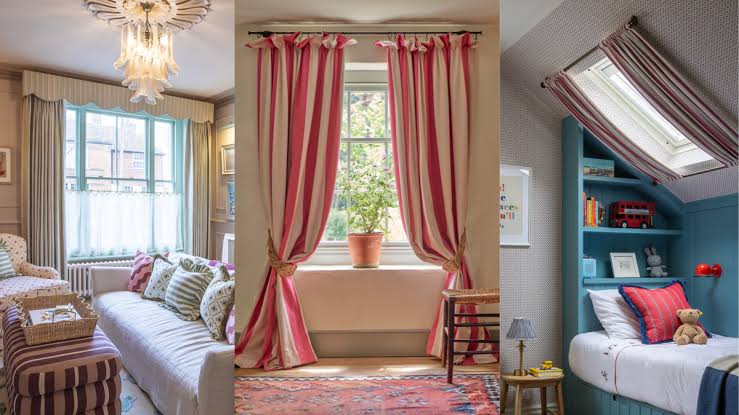
Your bedroom at 7 a.m. and your bedroom at 9 p.m. are two completely different rooms. One needs soft morning light to ease you awake. The other needs darkness and calm so you can wind down. The trouble is, most windows are styled for just one of those moments and left to fend for themselves the rest of the day.
That’s the gap layered window treatments fill. By combining curtains and blinds, you give a single window the flexibility to shift with the hours, the seasons, and your mood. By the end of this post, you’ll know how to layer treatments properly, when to combine them, and how thoughtful styling can transform a space from flat to genuinely inviting.
Why One Window Treatment Rarely Does Enough
A single layer forces you into a compromise. Sheer curtains alone flood a room with light but offer no privacy after dark. Heavy drapes alone block everything, which is wonderful at night and frustrating at noon. A lone roller shade controls glare but does little for warmth or character.
Rooms don’t stay still, so your windows shouldn’t either. The kitchen wants bright, easy light for morning coffee. The living room wants glare control for afternoon screen time and a cozy glow by evening. Layering lets one window serve all of these needs without you rethinking it every few hours.
The takeaway is simple: a window that only does one job will always let you down at some point in the day.
The Art of Layering: How to Build Your Window in Stages
Layering sounds fussy, but it follows a clear logic. Think of it as building from the window outward, with each layer doing a specific job.
Start with the Functional Base
Your innermost layer sits closest to the glass and handles light and privacy control. This is usually where blinds earn their keep. A roller, roman, or venetian style lets you fine-tune exactly how much light enters, from fully open to fully shut.
Keep this layer practical rather than decorative. Its job is control, not drama. Neutral tones here give you the freedom to be bolder with everything else.
Add the Softening Middle Layer
Next comes sheer fabric, which diffuses harsh light into a gentle wash. Sheers soften a room instantly and add a sense of movement when a breeze passes through. They also provide daytime privacy while keeping the space bright.
This is the layer that makes a room feel finished rather than functional. It’s the difference between a window that works and a window that welcomes you in.
Finish with the Statement Layer
Your outer layer is where personality lives. Full-length drapes frame the window, add warmth, and pull the whole room together. This is where good modern curtain design shows its value, using clean lines and considered fabric to anchor the space without overwhelming it.
When you build in these three stages, each moment of the day has a setting. Morning: sheers only. Afternoon: blinds tilted to cut glare. Evening: drapes drawn for warmth and privacy.
Combining Curtains and Blinds for Practicality and Style
Pairing curtains with blinds isn’t about doubling up for the sake of it. Done well, it solves real problems while looking intentional.
Take a home office that faces west. By early afternoon, the sun turns your screen into a mirror. A set of blinds handles the glare precisely, angling light away without plunging the room into gloom. Layered curtains then add softness so the space still feels like part of your home rather than a cubicle.
Here’s a practical way to decide what to combine:
- South- and west-facing rooms: Prioritize blinds for glare control, then add curtains for warmth and evening cover.
- North-facing rooms: Lead with sheers to maximize the softer light, and add drapes for insulation on cold nights.
- Bedrooms: Pair blackout blinds with heavier curtains for full darkness and a hushed, restful feel.
- Kitchens and bathrooms: Favor easy-clean blinds on their own, since fabric near moisture and cooking rarely ages well.
A common mistake is matching every element to the same color and fabric. The result reads as heavy and flat. Instead, let the layers contrast gently. A cool neutral blind behind a warmer drape adds depth, and the room feels layered rather than uniform.
How Styling Choices Transform the Whole Room
Windows do more than manage light. They set proportion, guide the eye, and signal the character of a space. This is where a few small styling decisions punch well above their weight.
Play With Height and Width
Hang your curtains close to the ceiling rather than at the top of the window frame. This one move makes walls look taller and windows more generous. Extending the rod a little beyond the frame on each side lets curtains stack off the glass, so more light streams in and the window appears wider.
Let Fabric Set the Mood
Texture changes everything. A linen weave feels relaxed and airy, while a heavier weave reads as formal and grounded. The best modern curtain design leans on fabric and drape rather than busy patterns, which keeps a room feeling calm and current.
Use Color to Connect the Space
Pull your curtain color from something already in the room, a rug, a cushion, or an artwork, so the window feels like part of a whole. If you’re short on curtain ideas, this trick alone rarely fails. It ties the scheme together and makes even a simple treatment look deliberate.
Consider a compact rental living room that felt boxy and dim. The owner swapped stubby frame-height curtains for floor-to-ceiling panels in a warm oatmeal linen, layered over a slim white blind. Nothing structural changed, yet the room suddenly felt taller, brighter, and considered. That’s the quiet power of good window styling.
Practical Curtain Ideas for Rooms That Shift Through the Day
Different rooms ask for different rhythms. Here are a few grounded curtain ideas to match how you actually use each space.
- Living room: Layer sheers with floor-length drapes so you can move from a bright, open daytime feel to a soft, enclosed evening one in seconds.
- Bedroom: Combine blackout blinds with insulating curtains for temperature control and deep sleep, whatever the season.
- Dining room: Choose a richer fabric and a slightly dramatic length to make evening meals feel special, since this room earns its keep after dark.
- Home office: Keep the base practical for glare, then add a simple drape so video calls show a home, not a warehouse.
The thread running through all of these is flexibility. When you design for change, the room keeps working long after the novelty of a new look wears off.
Common Mistakes That Undermine Great Window Styling
Even lovely fabric can fall flat if the basics are off. A few frequent slip-ups are easy to avoid once you know them.
Hanging treatments too low is the most common. It shrinks the window and the whole wall with it. Skimping on fabric width is another; curtains should be roughly twice the width of the window so they gather properly and never look stretched thin.
Finally, don’t ignore the hardware. A flimsy rod that sags or rattles undercuts even the finest fabric. Spend a little more on a solid track, and the whole treatment feels considered. Thoughtful modern curtain design starts with what holds it up, not just what hangs from it.
Conclusion
A window styled for a single moment will always disappoint you at every other hour. Layering fixes that. Start with a functional base of blinds, soften with sheers, and finish with statement curtains that pull the room together. Match your combinations to how each room faces the sun and how you actually live in it.
Your next step is easy: pick one window you’re unhappy with and identify which layer it’s missing. Add that layer, hang it high and wide, and watch the room change with the day. Light, layer, repeat, and every space in your home starts working harder for you.
